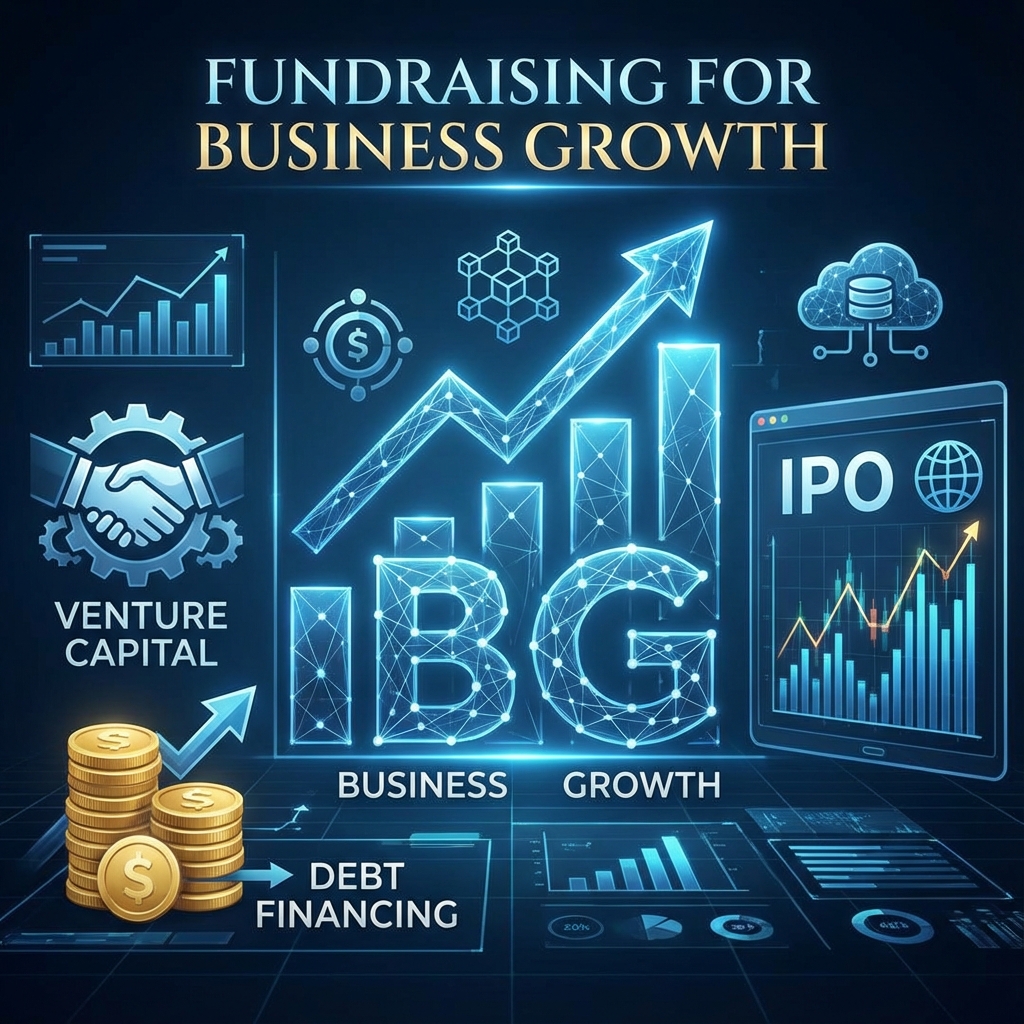
"CRAFT LAB: Make every technology commercialised". Planning for capital sources is crucial at every stage of organizational growth, from startups to SMEs to companies ready for the capital market. "CRAFT LAB: Make every technology commercialised" ในแต่ละลำดับขั้นการเติบโตขององค์กร การวางแผนด้านแหล่งทุนมีความจำเป็นอย่างยิ่ง ตั้งแต่สตาร์ทอัพ SMEs หรือบริษัทที่พร้อมเข้าสู่ตลาดทุน
Objectives of Long-term Fundraising วัตถุประสงค์ในการจัดหาเงินทุนเพื่อการเติบโตระยะยาว
Fundamentally, the goals for securing long-term growth capital involve three key areas: โดยพื้นฐานแล้ว วัตถุประสงค์ในการจัดหาเงินทุนประกอบด้วย 3 ด้านหลัก:
- Sufficiency for Long-term Growth: Ensuring capital is adequate for the next 5-10 years. เงินทุนเพียงพอ: รองรับการเติบโตในระยะยาว (5-10 ปี)
- Appropriate Financial Structure: Balancing key ratios like DE (Debt to Equity) and ROE (Return on Equity). โครงสร้างทางการเงินที่เหมาะสม: พิจารณาอัตราส่วนสำคัญ เช่น DE Ratio และ ROE ซึ่งมีความสัมพันธ์กัน การมีหนี้เยอะอาจทำให้ ROE ดี แต่ถ้ามากเกินไปก็เป็นความเสี่ยง
- Maximizing Shareholder Wealth: The core objective of corporate finance. เพิ่มความมั่งคั่งให้ผู้ถือหุ้น: ซึ่งเป็นเป้าหมายหลักขององค์กร
Funding Sources & Financial Instruments แหล่งเงินทุนและเครื่องมือทางการเงิน
1. Private Equity & Venture Capital 1. นักลงทุนรายใหญ่ Private Equity / Venture Capital
Suitable for high-risk businesses or those banks are hesitant to lend to. เหมาะกับธุรกิจที่มีความเสี่ยงสูงหรือที่ธนาคารยังไม่ปล่อยกู้
- Seed/Angel Round: If the product/service is good, valuation can exceed PAR value. Seed/Angel Round: ถ้าสินค้าดี จะได้ราคาที่สูงกว่าราคาพาร์ (PAR)
- Series A, B, C, D: For businesses with solid assets but possibly some losses; valuation increases significantly above PAR. Series A-D: หากมีของดีแต่ยังขาดทุนบ้าง มูลค่าประเมินต้องมากกว่าราคาพาร์มากขึ้นเรื่อยๆ
2. Specialized Instruments 2. เครื่องมือเฉพาะทาง
- Convertible Debentures (หุ้นกู้แปลงสภาพ)
- Strategic Partnerships
- IFF/REIT (For projects with stable cash flow)
3. Debt Financing 3. สินเชื่อประเภทต่างๆ
Includes Corporate Finance, Project Finance (e.g., power plants), and Working Capital Finance. เช่น สินเชื่อธุรกิจ (Corporate Finance), สินเชื่อโครงการ (Project Finance), และเงินทุนหมุนเวียน (Working Capital Finance)
Entering the Capital Market (IPO) การระดมทุนผ่านการเข้าจดทะเบียนในตลาดหลักทรัพย์ (IPO)
When debt financing hits its ceiling but growth potential remains, an IPO is the next step. It serves two main purposes: เมื่อกู้ต่อไม่ไหวจากแหล่งอื่นแต่ยังเห็นโอกาสเติบโต IPO คือทางออก ซึ่งมีเหตุผลหลักในการเข้าตลาดคือ:
- Sustainability & Professionalism: Transforming family businesses into sustainable organizations with professional management and clear structures (e.g., Family Holdings). สร้างความยั่งยืน: เปลี่ยนจากธุรกิจครอบครัวเป็นระบบมืออาชีพ มีโครงสร้างทุนที่แข็งแกร่งและธรรมนูญครอบครัว
- Credibility: Gaining trust for international trade. Being listed ensures transparency and regulatory compliance, crucial for global partnerships. สร้างความน่าเชื่อถือ: เพื่อทำการค้าระหว่างประเทศ การอยู่ในตลาดหลักทรัพย์ช่วยการันตีความโปร่งใสและมาตรฐาน
Note: Entering the capital market involves significant costs and preparation. หมายเหตุ: การเข้าสู่ตลาดทุนมีต้นทุนสูงและต้องเตรียมความพร้อมอย่างดี
Credits: Compiled by Asst. Prof. Dr. Parameth Voraseyanont, Graduate School of Management and Innovation, KMUTT. Ref: CRAFT LAB. เรียบเรียงโดย ผศ. ดร. ปารเมศ วรเศยานนท์ บัณฑิตวิทยาลัยการจัดการและนวัตกรรม มหาวิทยาลัยเทคโนโลยีพระจอมเกล้าธนบุรี อ้างอิง: CRAFT LAB