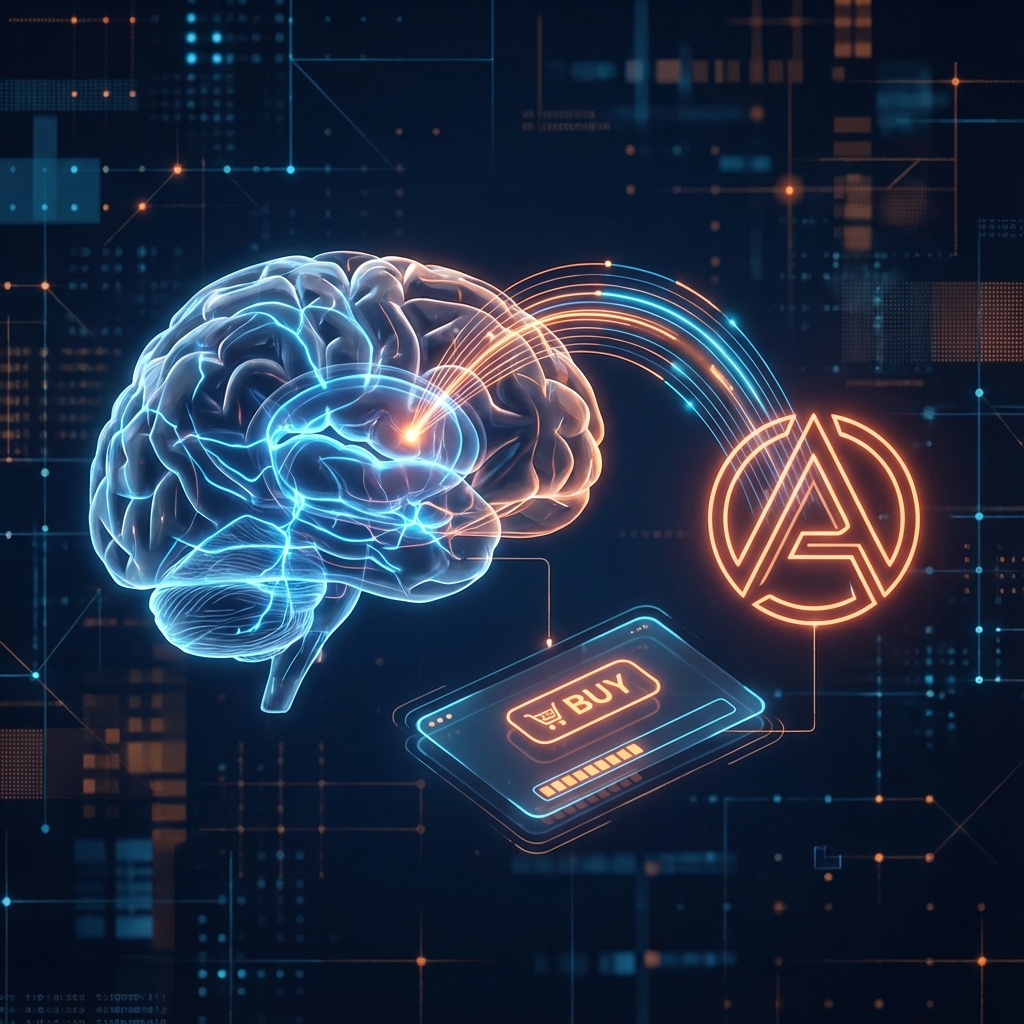
Before understanding brand development, we must understand 'how the brain works' regarding brand perception and how a brand can stimulate purchase intention. ก่อนจะเข้าใจเรื่องการพัฒนาตราสินค้าอาจต้องมาเข้าใจ 'การทำงานของสมอง' ที่เกี่ยวข้องกับการรับรู้ตราสินค้าและการที่ตราสินค้าสามารถกระตุ้นให้เกิดความตั้งใจซื้อได้
4 Fundamental Factors of Brand Perception 4 ปัจจัยพื้นฐานของการรับรู้ตราสินค้า
Brand perception comes from 4 fundamental factors: การรับรู้ตราสินค้ามาจาก 4 ปัจจัยพื้นฐานได้แก่:
- Marketing Communication: Advertising, social media, and campaigns. การสื่อสารทางการตลาด: โฆษณา สื่อสังคมออนไลน์ และแคมเปญต่างๆ
- Non-Commercial Media: Store decoration, price tags, product characteristics, staff appearance, environment, and service level. สื่อที่ไม่ใช่การค้า: การตกแต่งร้านค้า ป้ายราคา ลักษณะของสินค้า ลักษณะของเจ้าของ/พนักงาน สภาพแวดล้อมสินค้า ระดับบริการ
- Word of Mouth: Information received from others. การรับข้อมูลจากการบอกต่อ: ข้อมูลที่ได้รับจากผู้อื่น
- Past Experience: Previous interactions with the brand. ประสบการณ์ในอดีต: การมีปฏิสัมพันธ์กับแบรนด์ในอดีต
Processing Brand Perception กระบวนการประมวลผลการรับรู้ตราสินค้า
These 4 factors are crucial for developing 'brand perception'—what it is, how it works, what it does, what value it provides, and how it differs from other products in the market or competitors. Through this process of understanding and comparison, our brain processes and creates a 'Market Positioning' for Product A versus competitors. ปัจจัยทั้ง 4 นี้เป็นปัจจัยสำคัญในการพัฒนา 'การรับรู้ตราสินค้า' ว่าคืออะไร ทำงานอย่างไร ทำอะไรได้บ้าง ให้คุณค่าอะไร แตกต่างจากสินค้าในตลาดอย่างไร หรือเมื่อเทียบกับสินค้าเทียบแล้วมีความน่าสนใจและแตกต่างจากตราอื่นอย่างไร โดยกระบวนการสร้างความเข้าใจและเปรียบเทียบนี้ สมองเราจะนำไปประมวลและสร้าง 'จุดยืนทางการตลาดเทียบสินค้า A และสินค้าคู่แข่ง'
"When there is understanding, perception, comparison, and belief, it leads to an 'Attitude' toward the brand." "ซึ่งเมื่อมีความเข้าใจ รับรู้ เปรียบเทียบ เชื่อในสิ่งที่เข้าใจก็จะนำมาซึ่ง 'ทัศนคติ' ต่อตราสินค้า"
From Attitude to Behavior จากทัศนคติสู่พฤติกรรม
Once an attitude is formed, it precedes the evaluation of 'Behavioral Expression' (such as purchase intention and the act of buying) for the product or service under that brand. ก่อนที่จะประเมิน 'การแสดงออกเชิงพฤติกรรม' (เช่น การตั้งใจซื้อและการไปซื้อ) สินค้าหรือบริการภายใต้ตราสินค้านั้น
Credits: Compiled by Asst. Prof. Dr. Parameth Voraseyanont, Graduate School of Management and Innovation, KMUTT. Ref: Wut Sukcharoen (2020). เรียบเรียงโดย ผศ. ดร. ปารเมศ วรเศยานนท์ บัณฑิตวิทยาลัยการจัดการและนวัตกรรม มหาวิทยาลัยเทคโนโลยีพระจอมเกล้าธนบุรี อ้างอิง: วุฒิ สุขเจริญ (2563)